
by Alissa Bica
There may never be a drink more synonymous with summer than the Aperol Spritz. Bright, citrusy, and refreshing, it appeals to a wide swath of the population, in part because Aperol is a sweeter orange-flavored bitter than popular Italian counterparts like Campari and, at only 11% ABV to Campari’s 24%, is a light and easy option for a leisurely afternoon.
The original Spritz was composed of white wine and soda water and appeared as early as the 1840s. In the early 1900s, it evolved to be defined as a low-ABV drink made with three parts Prosecco, two parts bitter liqueur, and one part soda water. Aperol, created in 1919 by the Barbieri brothers in Padua, Italy, became particularly popular in its home country in the 1950s, when it was marketed as an “aperitivo poco alcolico”—a “lightly alcoholic aperitif.”
In 2003, the brand was acquired by Gruppo Campari, and the Aperol Spritz eventually began cropping up in bars around the world. By 2019, Drinks International ranked it tenth on its list of the world’s bestselling cocktails, opening the door to a flood of opinions: In May of that year, The New York Times ran a story headlined “The Aperol Spritz Is Not a Good Drink,” prompting a wave of Instagram posts using the hashtag #spritzlife in protest. And in Town & Country’s 2019 “Drinking Games” competition, it was named the third most popular drink, losing out only to the Margarita and rosé.
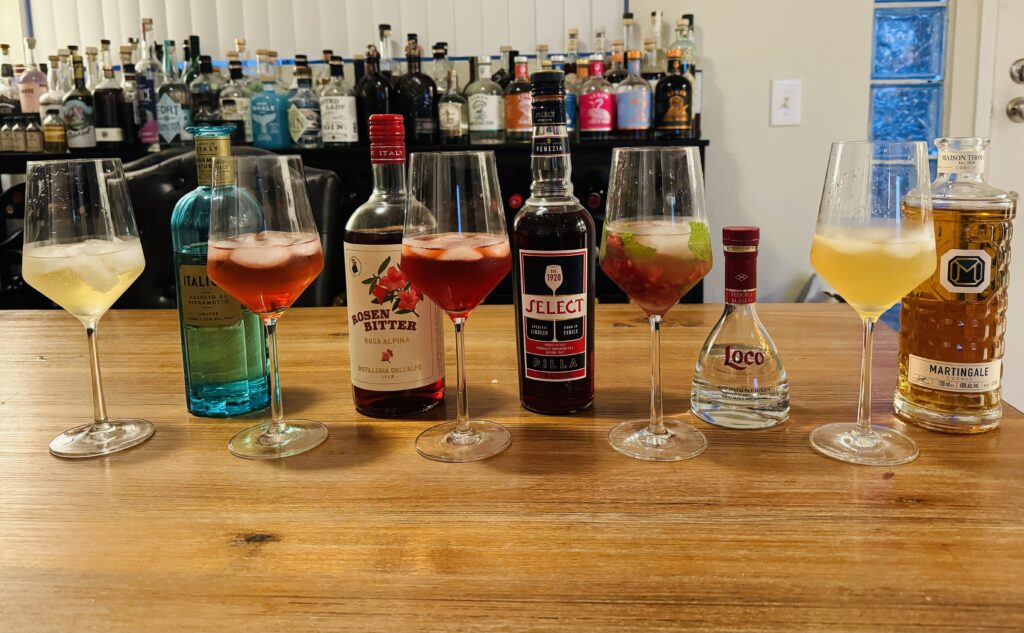
But over the past five years, the trend has begun to wane. While the Aperol Spritz will probably never disappear, there are now so many options on the market that the high-speed bullet train it was once riding on has slowed to a steady chug. Still, the Spritz remains a go-to for beating the heat during the summer months—we may just need a few flavor variations to keep it fresh and exciting (variety is the spice of life, right?). I set out to find the best-tasting alternatives for every palate: The first three use traditional Italian bitters, but the last two, featuring alternate spirits, are more playfully unconventional.
Italicus: The Floral Spritz
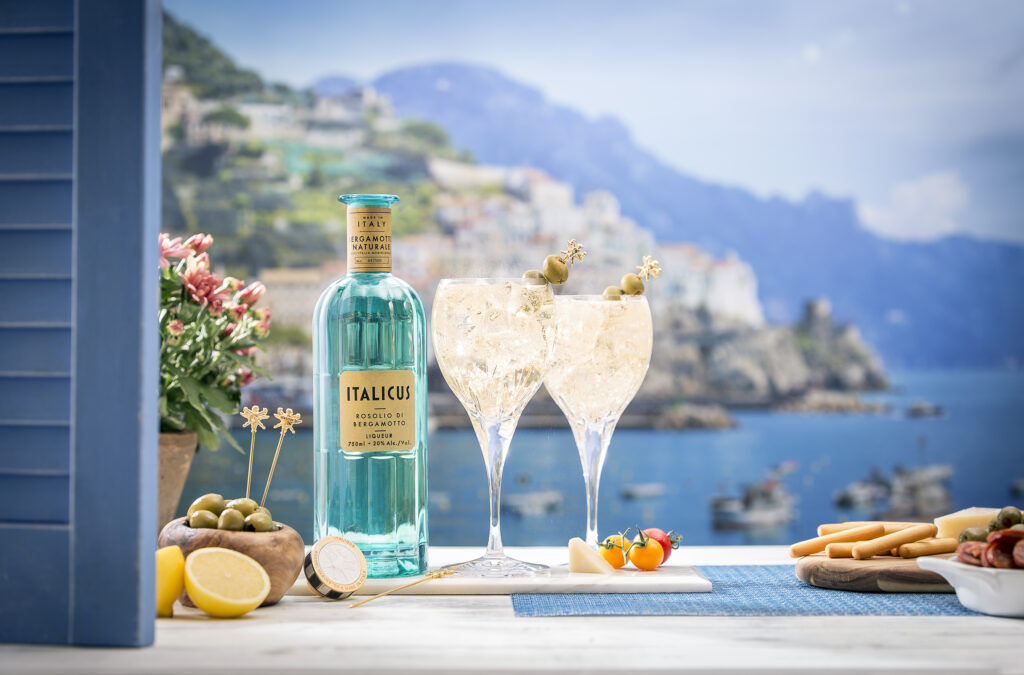
1 oz. Italicus Rosolio di Bergamotto
3 oz. Prosecco
Serve over ice and garnish with three green olives.
Giuseppe Gallo created Italicus in 2016, reinterpreting the almost forgotten category of rosolio, a liqueur dating back to the 1400s that was regularly shipped to the Duke of Burgundy and the court of King Edward IV of England; yet another royal, the King of Savoia, called it the “aperitivo di corte,” or “drink of kings,” in the 1800s.
Italicus is a bergamot liqueur full of notes of tart and tangy citrus, Earl grey tea, lavender, and ripe Bartlett pear, and as a gin advocate who loves floral and herbal flavors, I especially gravitated to the Italicus Spritz as the sunniest of the alternative spritzes I tried. I love its simplicity of flavor, but if you want something more bitter and complex, try mixologist Jaylynn Little’s Bergamot and Grapefruit Spritz with 1 ounce Italicus Rosolio di Bergamotto, 0.25 ounces Campari, 1 ounce grapefruit juice, and 3 ounces Prosecco. Serve it over ice and garnish with a grapefruit slice.
Select Aperitivo: The “Just Right” Spritz
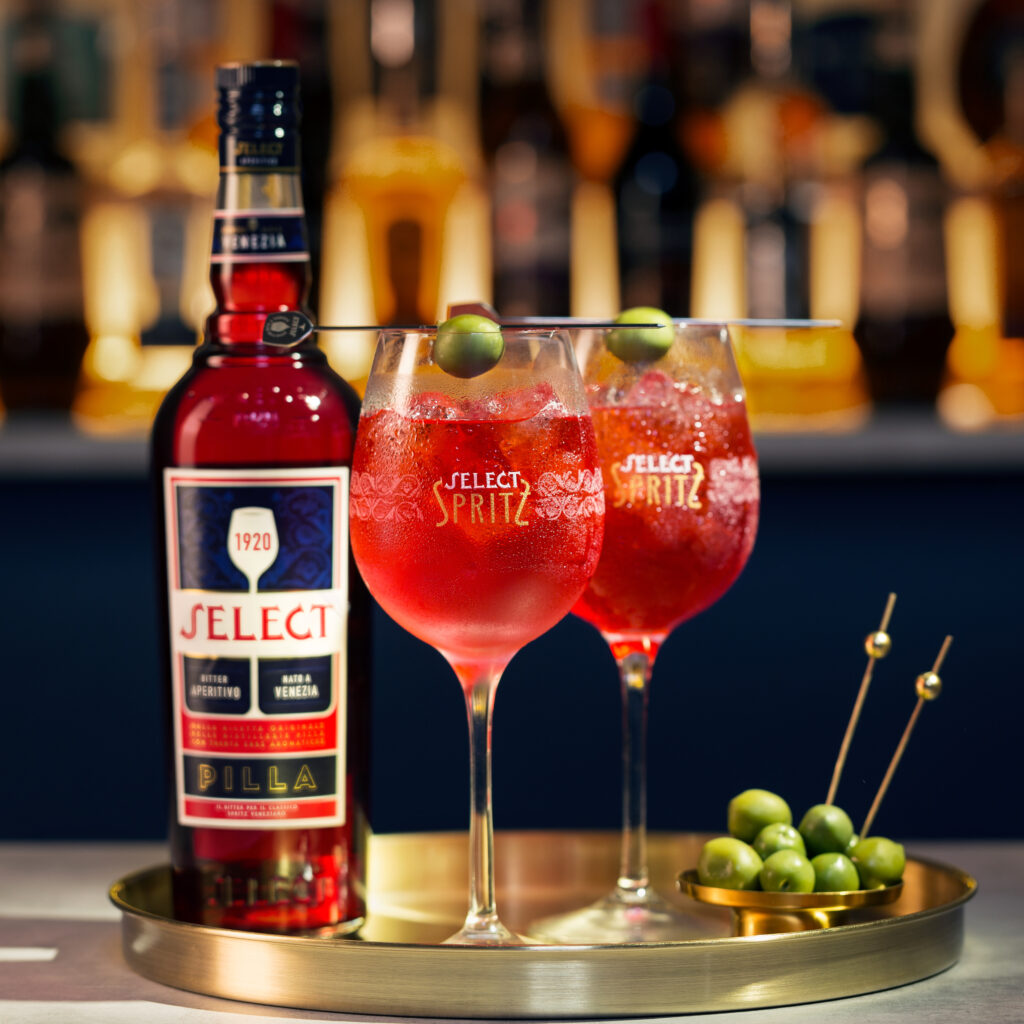
2 oz. Select Aperitivo
3 oz. Prosecco
1 splash soda water
Serve over ice and garnish with a green olive.
Though it’s little-known stateside, Select Aperitivo claims to feature in the original Venetian Spritz. Created in 1920 in the Castello district of Venice at Pilla Distilleries, Select is made with a blend of botanicals, including juniper berries and rhubarb. It inhabits a middle ground between the sweet and fruity Aperol and the intensely bitter Campari, featuring notes of sweet red cherry, lemon, and apple as well as savory ginger and almond skin, with a medium-bitter finish. To me, it’s like Baby Bear’s porridge in Goldilocks and the Three Bears: just right. Make sure to garnish it with a green olive per Venetian tradition.
Rosen Bitter: The Smoky Spritz
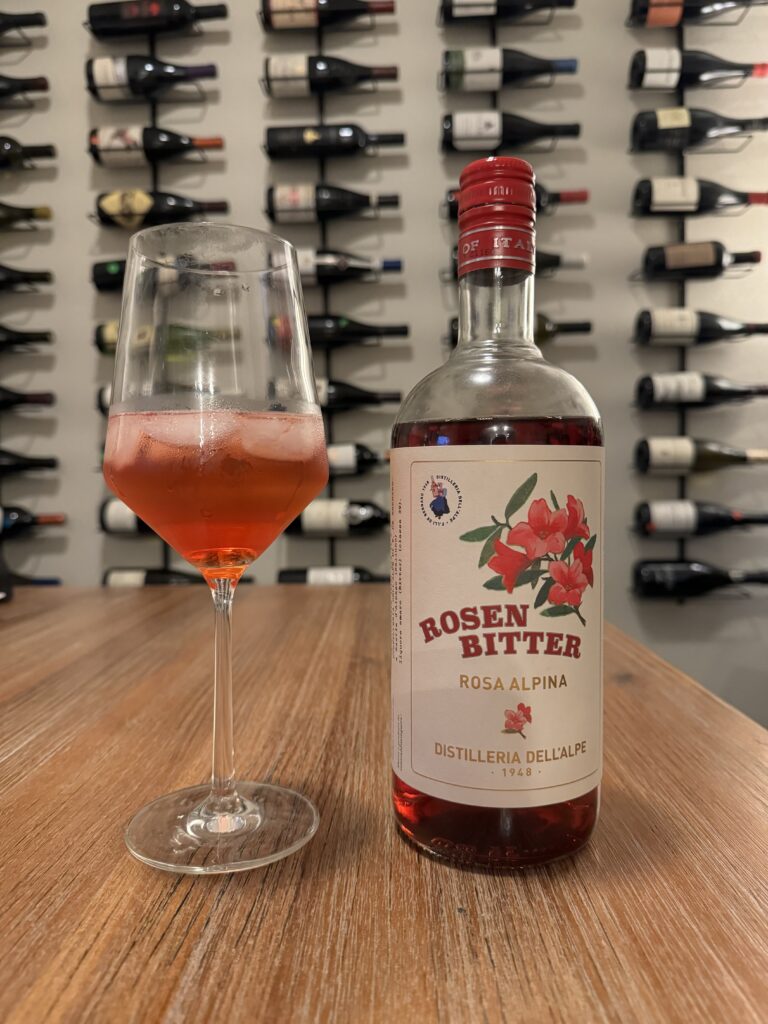
2 oz. Rosen Bitter
3 oz. Prosecco
1 oz. soda water
Serve over ice and garnish with an orange slice.
This Spritz is for lovers of mezcal or smoky Scotch. Rosen is an alpine bitter created at Distilleria dell’Alpe in 1951 by founder Ferrucio de Barnard, who foraged mountain berries, bay leaf, aloe, and licorice from the Cansiglio forest, then infused neutral spirits with each ingredient separately before blending. The contemporary version is intensely concentrated and full of fresh Bing cherry, rhubarb, and rose scents; it’s also distinctively smoky on the finish. It yields a spritz that packs a punch and could easily pair with a cigar on a warm summer evening. (Fun fact: It also tastes great in an Americano. Use 1.5 ounces Rosen Bitter and 1.5 ounces Elena Penna Vermouth di Torino, serve over ice, and top with club soda and an orange slice.)
Loco Tequila: The Margarita Lover’s Spritz
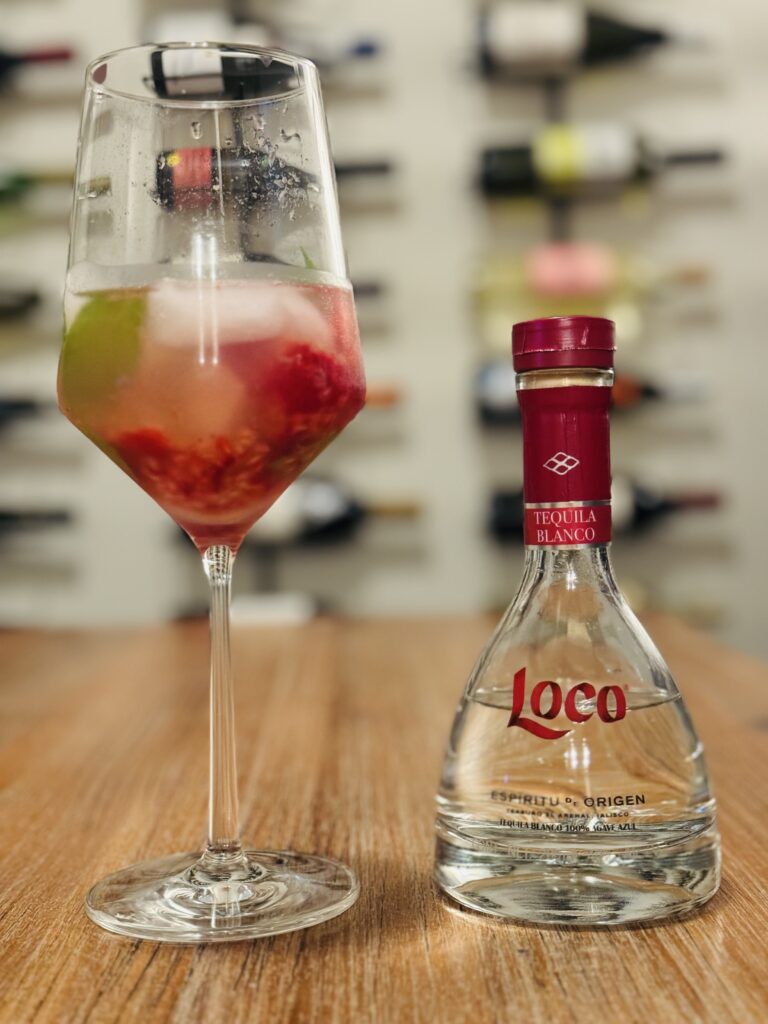
1.5 oz. Loco Blanco Tequila
2 oz. Prosecco
1 oz. fresh lime juice
1 oz. agave syrup
1 oz. soda water
8 raspberries, muddled
2 mint leaves, muddled
Serve over ice.
When you think of a Spritz, you rarely think of tequila. But with so many new tequila products on the market, I thought I’d try one of my favorites, Loco Blanco Tequila, in a lighter, spritzier version of a Margarita. Loco Tequila launched in 2019, led by creator and maestro tequilero Alberto Navarro, who uses traditional masonry ovens to slowly steam the agave for 36 to 48 hours. Navarro then uses an ancient volcanic grinding stone, called a tahona, and a small roller mill to gently macerate the cooked agave. The resulting blanco tequila is clean and crisp with sweet, roasted agave flavors mingling with lilac and pear-apple compote. The recipe above is fruity and refreshing, perfect for sipping by the pool.
Martingale Cognac: The Whiskey Lover’s Spritz
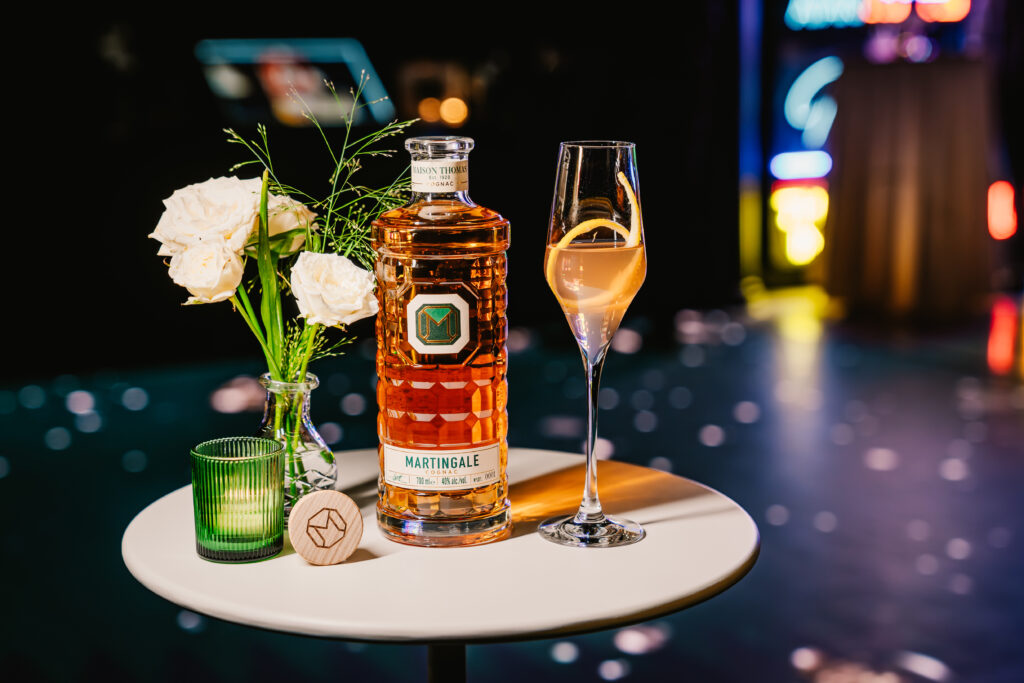
1.5 oz. Martingale Cognac
0.75 oz. fresh lemon juice
0.75 oz. simple syrup
2 oz. sparkling wine
Serve over ice and garnish with a lemon twist.
Martingale was created by brothers Guillaume and Amaury Thomas, fourth-generation Cognac makers who wanted to create a new style that would cater to the modern palate. The result is brighter and fresher than a traditional XO and much more florally fragrant—due partly to the use of grapes that the family farms themselves in Cognac’s lesser-known Borderies cru. Notes of orange blossom and acacia meld with almond and vanilla from oak aging, which also gives the Cognac structure that should appeal to whiskey drinkers. I was introduced to Martingale at a caviar-pairing event, where the aforementioned flavors perfectly paired with the salty and savory qualities of Osetra caviar.
Martingale Cognac was then also served in—you guessed it—a Spritz. Champagne and caviar have long been a classic pairing, so while unexpected, it’s not surprising that a spritz mingling Cognac and bubbly was a home run. The latter added texture and energy to the Martingale, while bright lemon complemented its floral and vanilla notes. Guillaume Thomas—who named the drink the Double Down— calls it a “Frenchified alternative” to the Aperol Spritz. And while the latter reminds him of summers on the Italian coast, “the mix between Martingale Cognac and Champagne takes you away to idyllic summers at a beautiful chateau in France,” he says. This is a drink for anyone who claims to be averse to Spritzes—give it to your whiskey-sipping friend and it’s sure to be a hit.
