
by Alissa Bica
Credit: PHOTO COURTESY OF DR. LOOSEN
As a sommelier, one of the categories I’m most skeptical about is nonalcoholic (NA) wine. While new brands are popping up every week, do fine NA wines really exist? With the advancement of technologies such as vacuum distillation, which gently separates and removes alcohol at low temperatures, and spinning cones, which extract aromas from wine that can be added back after the alcohol is removed, the answer is yes. Still, quality can be inconsistent—for instance, sparkling NA wines more often succeed in tasting like the real thing than still wines—so how do you know a stud from a dud? I tried over 30 NA wines to come up with this list of ten brands you can feel confident about buying.
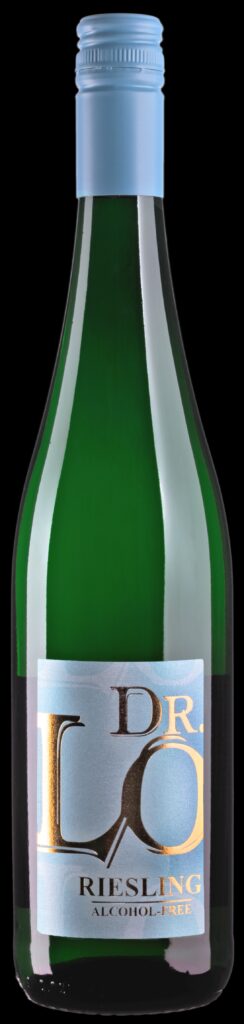
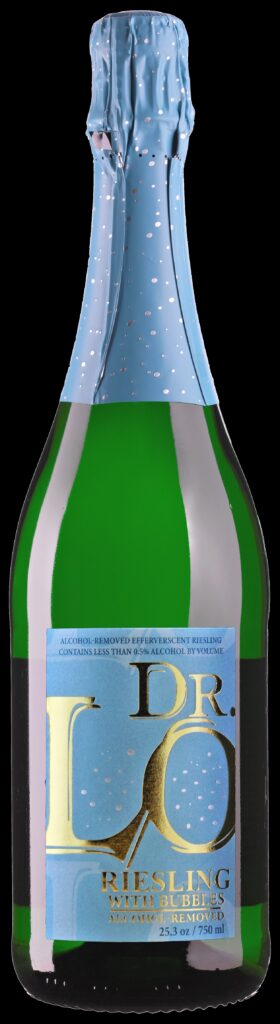
Dr. Lo’s Alcohol-Removed Riesling and Riesling with Bubbles
From well-established German brand Dr. Loosen comes Dr. Lo, its alcohol-removed line. The still wine is full of apricot, peach, and petrol flavors, and its lively and energetic acid races to a lush finish that coats the tongue. With 15 grams of sugar, it’s off-dry, or kabinett, but feels extremely balanced—so much so that, of all the wines I tasted, this was the one I found could really trick you into thinking it was the real thing. And with those same stone-fruit flavors and streamlined, mouthwatering acidity, the sparkler was one of the most complete of the lineup, with both breadth and richness to back up that screaming acid.
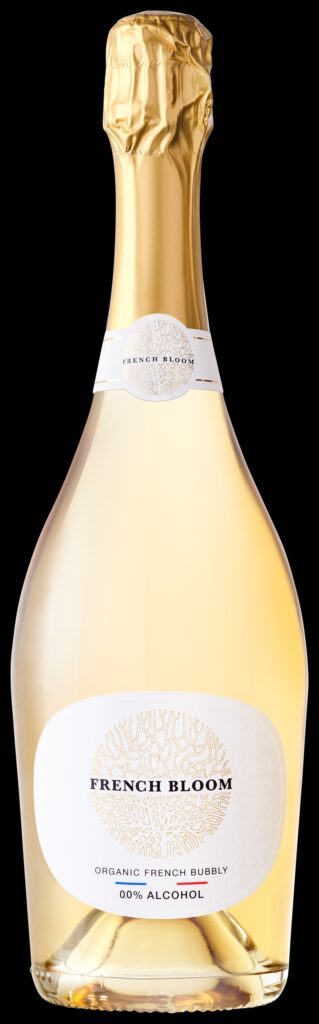
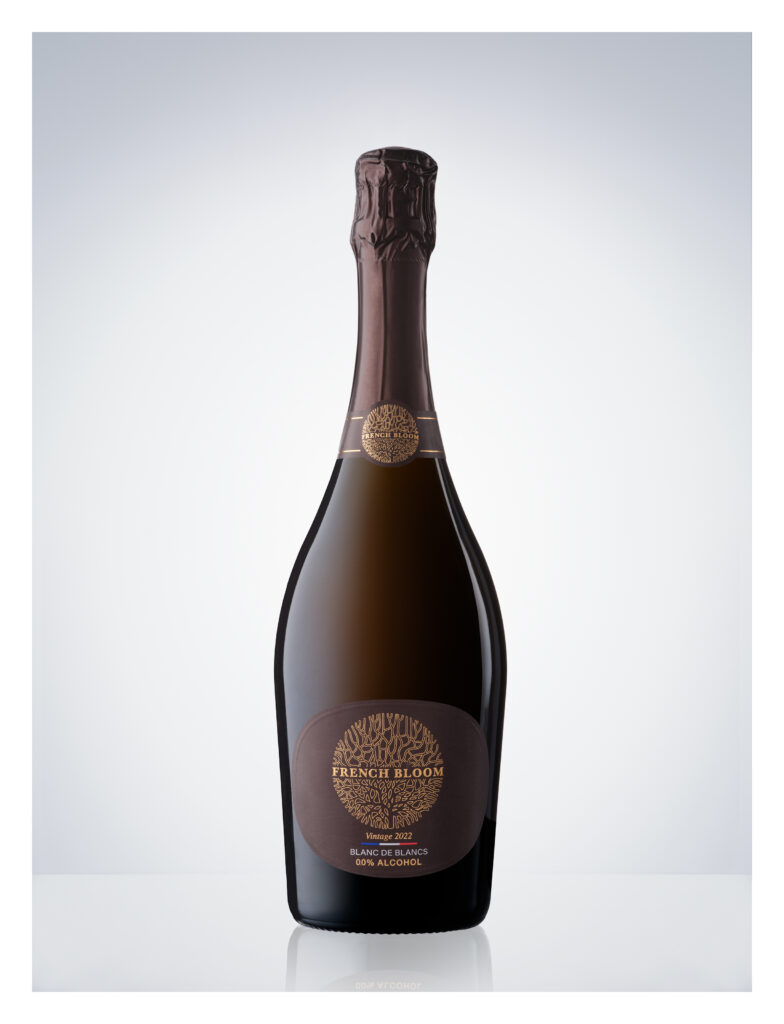
French Bloom’s Le Blanc and La Cuvée Vintage 2022 Blanc de Blancs
Rodolphe Frerejean-Taittinger launched French Bloom in 2021 with Constance Jablonski and Rodolphe’s wife, Maggie, when she was looking for a good Champagne alternative to drink during her pregnancy. Showing flavors of brioche, mushrooms, and apple in a round body, the Le Blanc is yeasty, leesy, and slightly honeyed, indicating time in oak. The La Cuvée, meanwhile, is the first vintage-dated offering from French Bloom, made from Chardonnay grown in the Languedoc and harvested two weeks earlier than most fruit in the region to maintain high acidity. After vinification, it ages eight months in oak barrels before being de-alcoholized at low temperatures. Golden in color, it’s full of marzipan and almond scents plus notes of dried apricot, bruised yellow apple, and brioche; its high acidity is balanced by its lush, caramelly texture. It’s a celebration wine that reflects Frerejean-Taittinger’s goal of making a vintage sparkling wine that tasted ten to 15 years old. Both it and the Le Blanc came closer to evoking real Champagne than anything else I tasted.
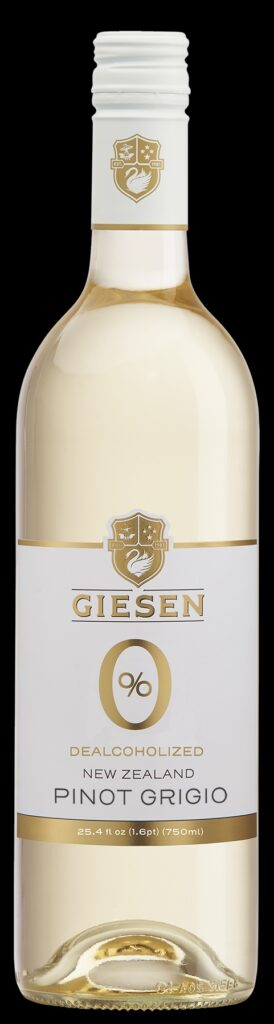
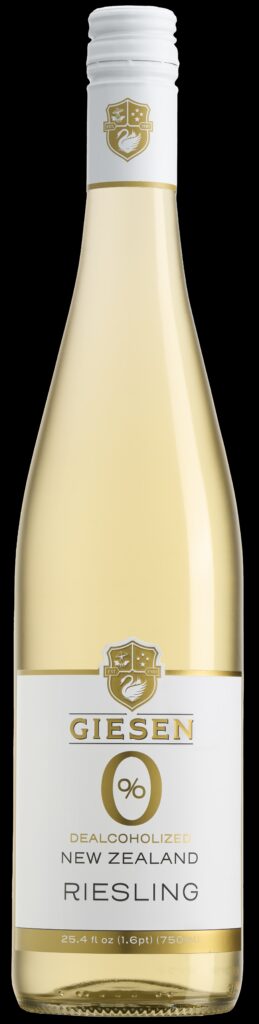
Giesen’s 0% Pinot Grigio and 0% Riesling
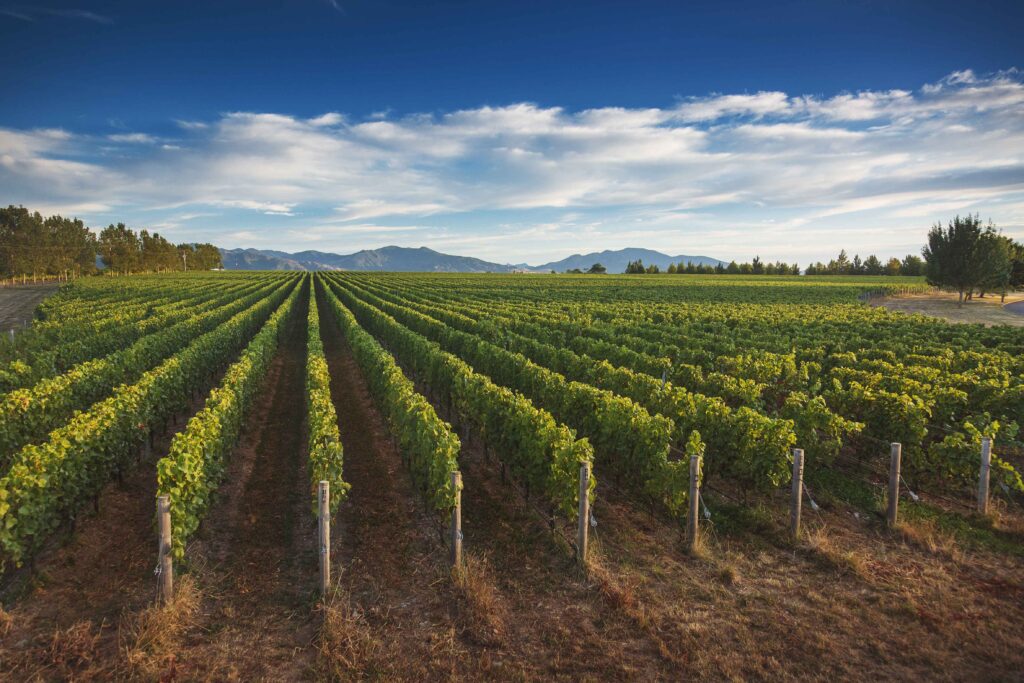
One of the early players on the NA market is made by Duncan Shouler, who handcrafts his wines before using the aforementioned spinning-cone technology to gently remove not only the alcohol but the wine’s aromas, which are later reintegrated without losing their distinctiveness. The Pinot Grigio is full of lemon, apple, and dried Asian pear as well as almond skin–tinged phenolic bitterness that makes it feel vinous and a leesy texture that adds a surprising amount of body and richness. It’s so good you can drink it on its own, but it also pairs with grilled chicken or seafood. The Riesling, on the other hand, is for the lover of sweet wine: With 22 grams of sugar, it’s a spätlese style, full of honeyed peach, apricot, and lemon. The high level of acid balances the body, and the petrol notes are varietally correct.
Credit: PHOTO COURTESY OF GIESEN
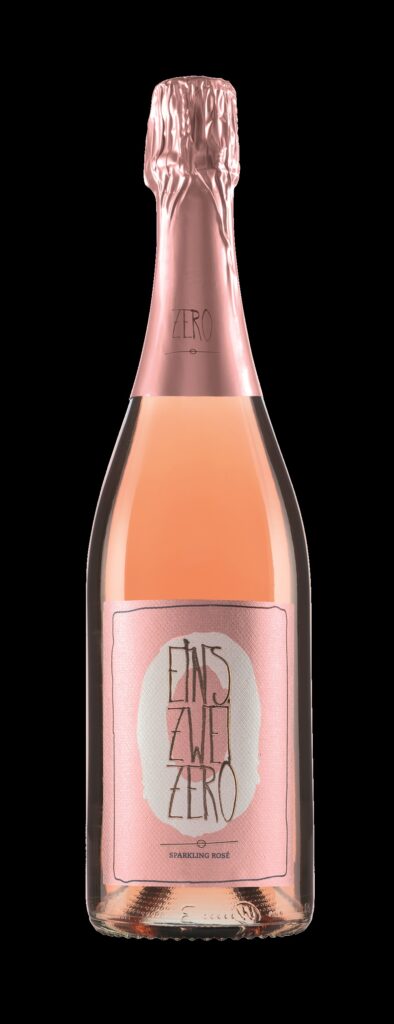
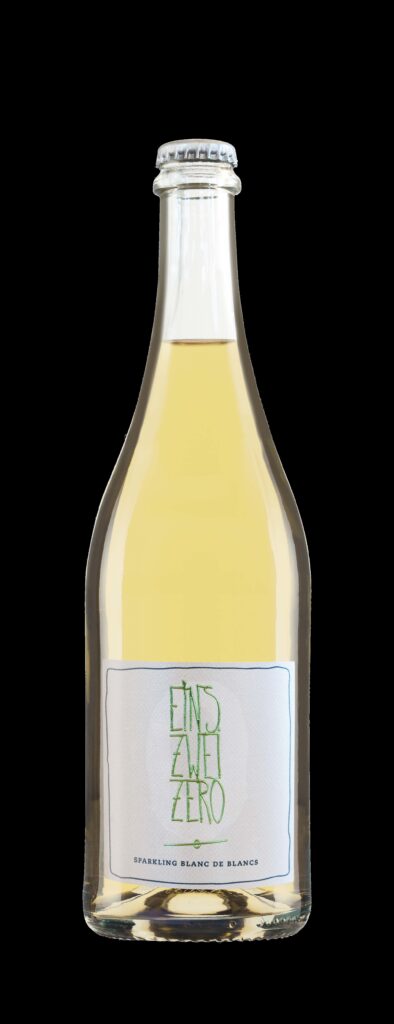
Leitz’s Eins Zwei Zero Rosé Sparkling and Eins Zwei Zero Sparkling Blanc de Blancs
Vacuum distillation is not completely new technology—the patent for removing alcohol with vacuum pressure was registered to Carl Jung of Rüdesheim in Rheingau, Germany, in 1907—but it’s been refined by contemporary producers and is yielding higher-quality wines in the process. One of those producers is Joahnnes Leitz, also from Rüdesheim, whose Rheingau grapes produce wines with delicate flavors and textures. Made from Pinot Noir macerated on the skins for six hours before pressing to achieve its pale pink color, the Sparkling Rosé offers bright flavors of strawberry and vanilla blossom, while the Blanc de Blancs is for fans of racy, mineral-driven wines. Full of tart, lemony acidity, the latter is dry, crisp, and energetic, with honeysuckle adding rounded texture to its refined bubbles. One of the most dynamic, mouthwatering sparklers I tried, it would be great with shellfish such as oysters.
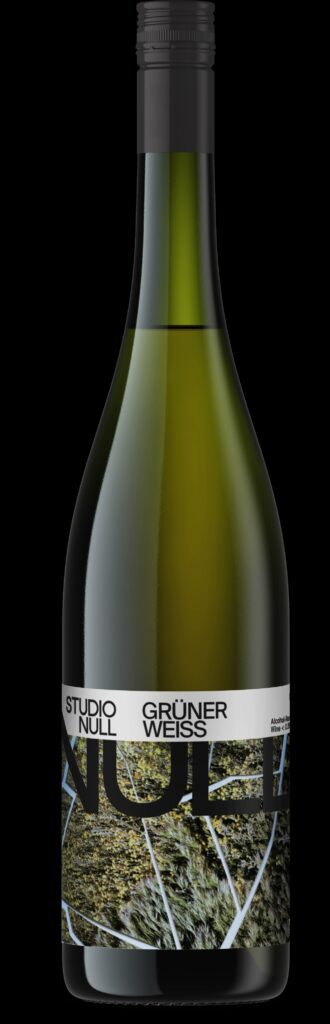
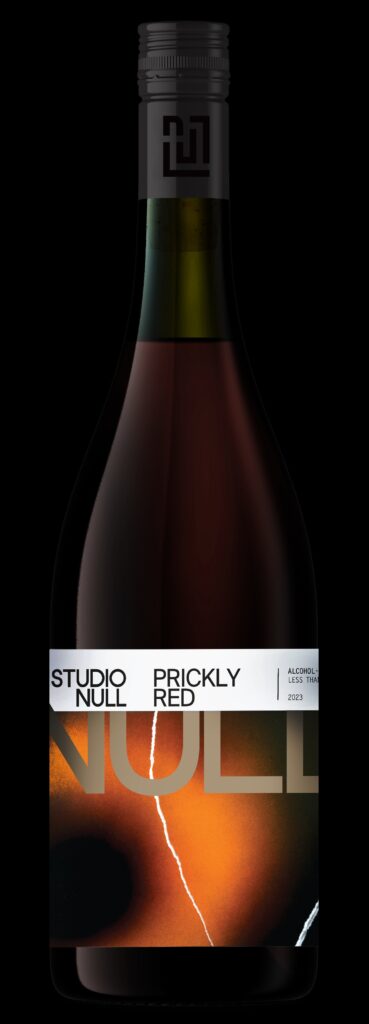
Studio Null’s Grüner Weiss and Prickly Red
Founded in 2021, Studio Null sources wines from family-run vineyards in various European regions before removing the alcohol. The Grüner Weiss is a blend of Grüner Veltliner and Gelber Muskateller from the Baumgartner Vineyard in Lower Austria. It’s a lovely, neutral white offering subtle, vegetal flavors of white pepper and mint; containing only 4 grams of sugar, it’s dry and slightly leesy, with a phenolic finish. The other wine I tried, the Prickly Red, is a blend of Tempranillo and Syrah from Tierra de Toledo, Spain, that came the closest to replicating the experience of drinking traditional red wine. It has blackberry, plum, cedar, and caramel aromas, and while the time it spent in oak is apparent on the palate, it doesn’t overpower the fruit; there’s also a stemminess that adds smoke and structural tannins, making the wine a great pairing for steak.
Semblance’s Sparkling Wine
Blaine and Esther Vess created Semblance, which produces this sole expression. Made from Chardonnay grown on California’s Central Coast, it’s a fuller-bodied sparkler than most of the others I tasted: Brimming with ripe pineapple and brioche flavors, it’s lush, creamy, and honeyed on the finish, with acid to balance its body. Great for a cheese plate or chicken in a white cream sauce, it’s so good that it’s served at MICHELIN-starred restaurants like Encino, California’s Pasta|Bar.
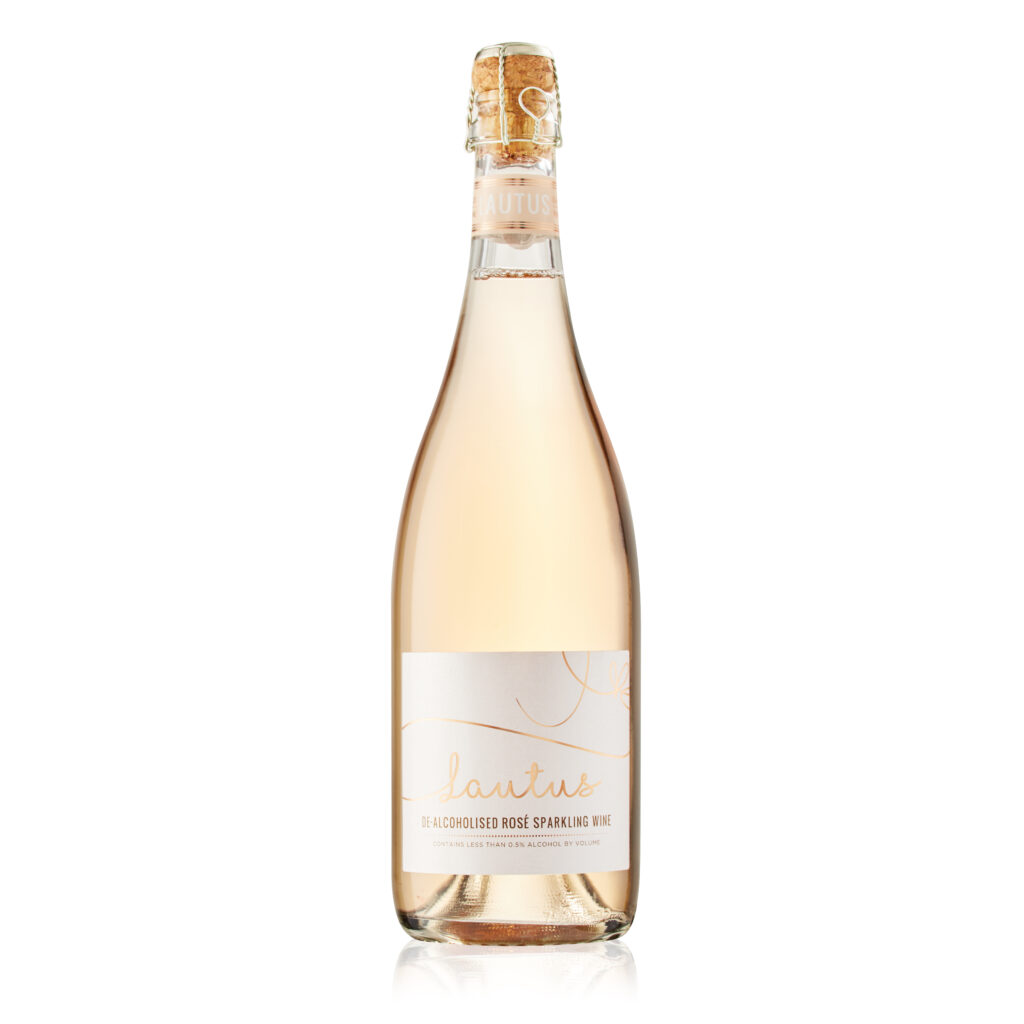
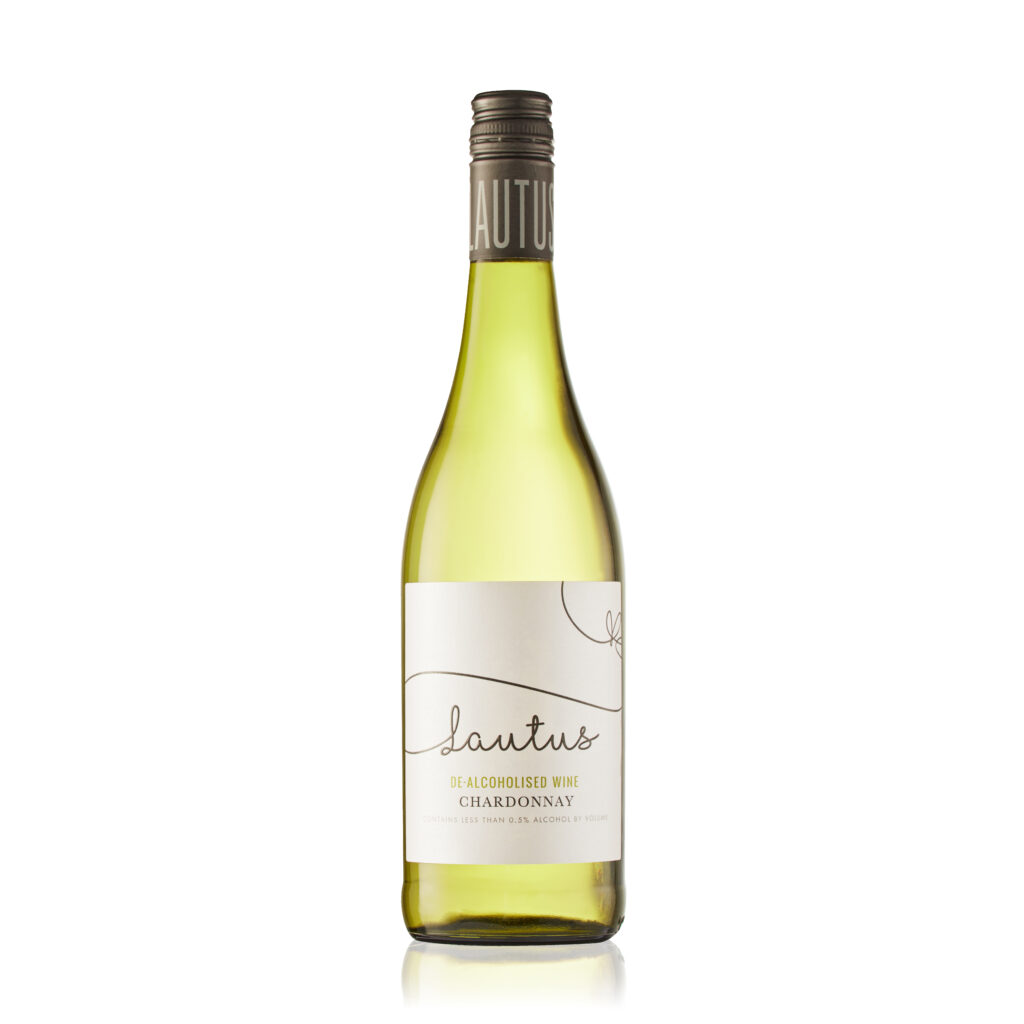
Lautus’ De-Alcoholized Rosé Sparkling and Chardonnay
Winemaker Reg Holder carefully crafts his wines in South Africa’s Western Cape region. The Rosé Sparkling is made from the country’s signature Pinotage grapes, which are crushed and lightly pressed; after fermentation, the wine spends three weeks on its lees before racking and de-alcoholizing. Prime for sipping on its own or alongside pasta topped with tomato and basil, the result is a lively, red-fruited sparkler with great body; a creamy texture; and layers of fruit and cherry blossom plus crisp acidity balanced by a touch of residual sugar. The crisp Chardonnay is also easy-drinking, with yellow pear and apple flavors that make it a great pairing with whitefish and vegetables.
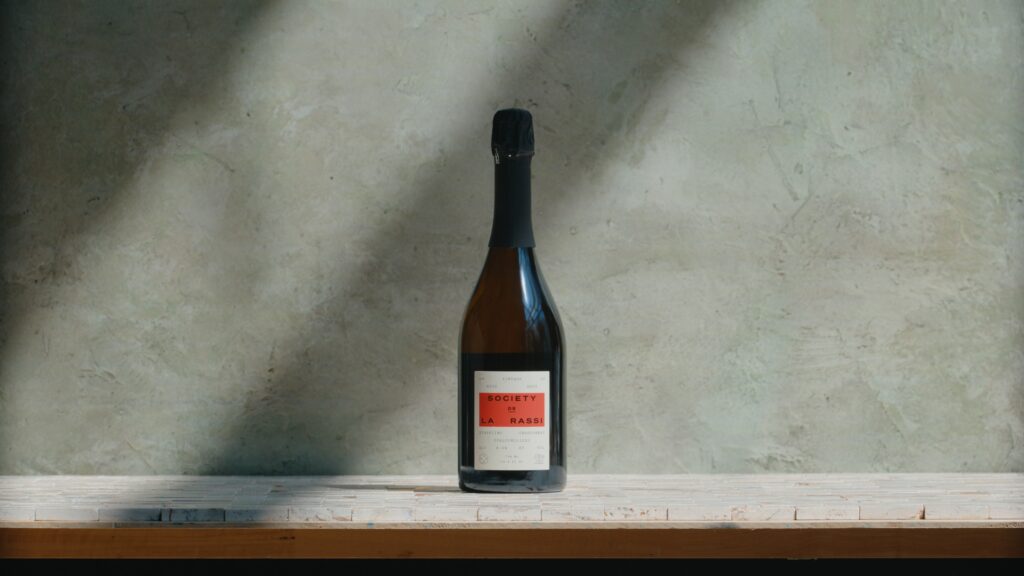
Society De La Rassi’s Neue Brut
Launched in October by founder Steve Jackson, this wine was made from 100% Spanish Chardonnay grapes that were grown in La Mancha, Alcázar de San Juan, during the 2023 vintage before undergoing vacuum distillation to preserve the essence of Spanish Cava. Pretty and mouthwateringly fresh, with white floral and lemon flavors and authentic body, it contains just a touch of natural grape must—1.2 grams per liter—and clocks in at only 15 calories per glass and 0.5% alcohol. Try it on its own or mixed into a Spritz.
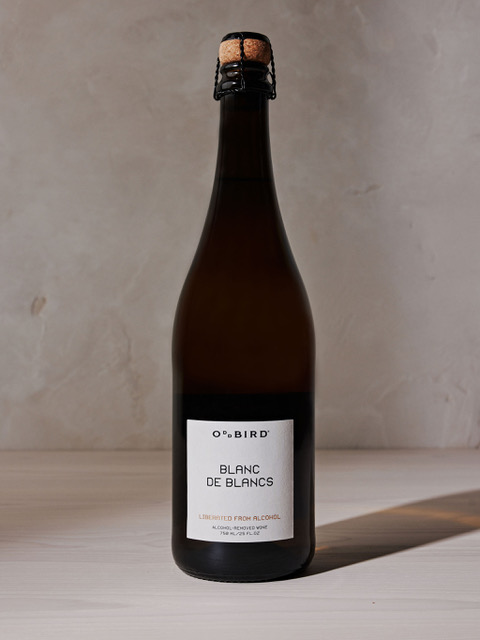
Odd Bird’s Blanc de Blancs
Made with Chardonnay and Colombard grapes from the Languedoc-Roussillon region of France, this wine matures for 12 months to give it texture and body before the alcohol is removed. It has lots of fresh apple, pear, and almond flavors with a touch of sweetness at 6 grams of sugar per liter, which makes it a great pairing for Thai curry. It also has depth and complexity thanks to its salinity and leesy body.
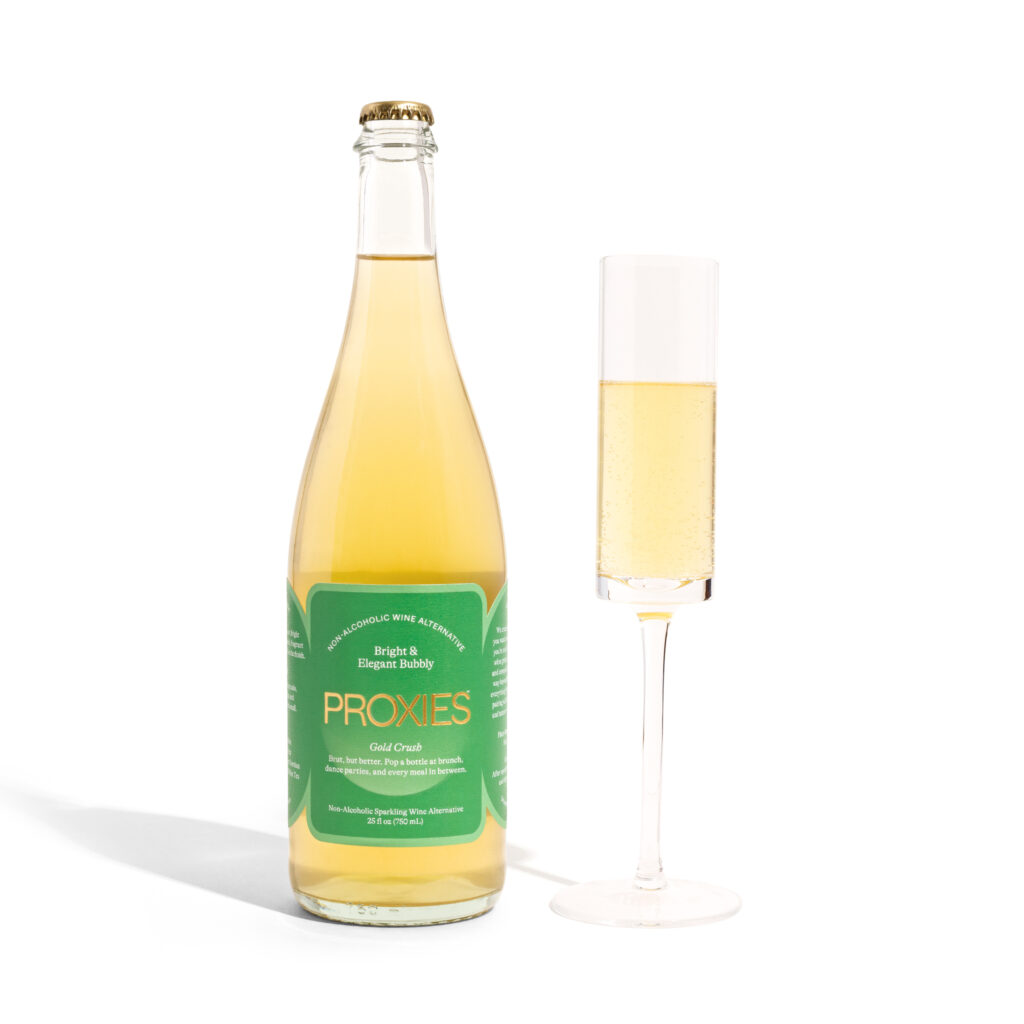
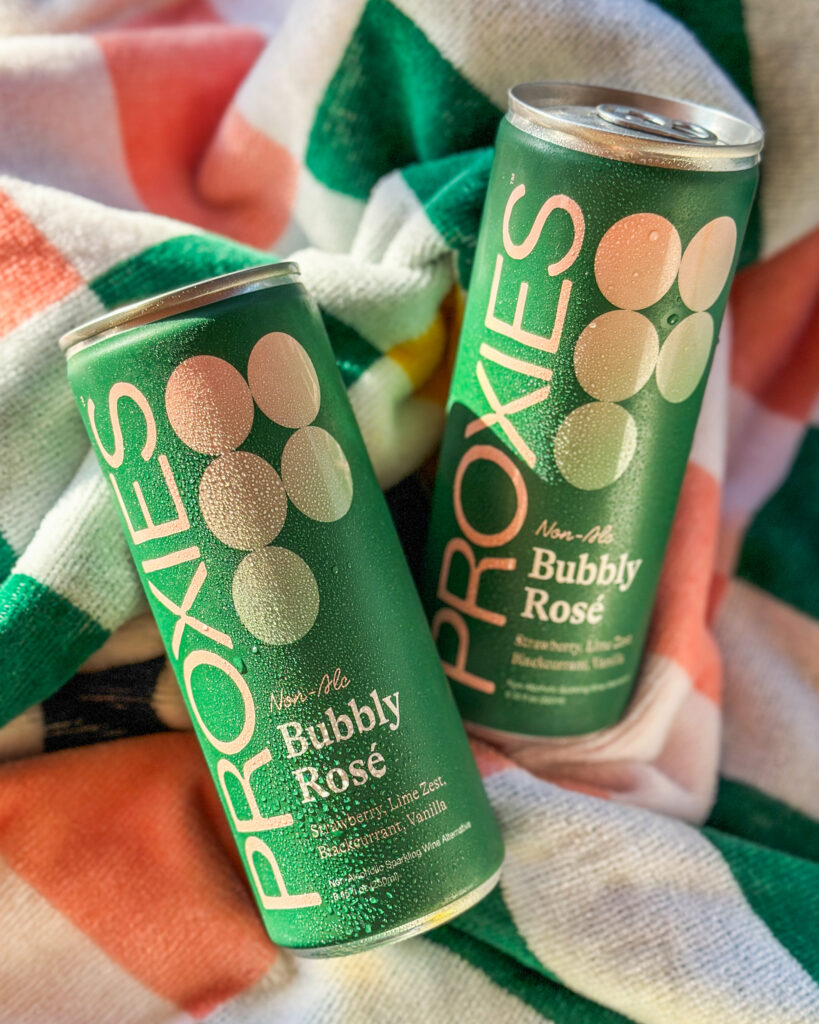
Proxies’ Gold Crush and Canned Bubbly Rosé
Proxies bills its products as wine alternatives: They aren’t going to taste like your average Brut, but that’s the point. Made by blending winegrapes with other fruits, teas, and spices, they have a flavor profile all their own. Both savory and refreshing in a way that’s reminiscent of your favorite funky pét-nat, the Gold Crush bursts with lemon curd, lavender, and vanilla, while the Bubbly Rosé, made with white peony tea, is crisp and easy-drinking, with notes of lime zest, pomegranate, and strawberry: Take it to the beach or a backyard picnic.
