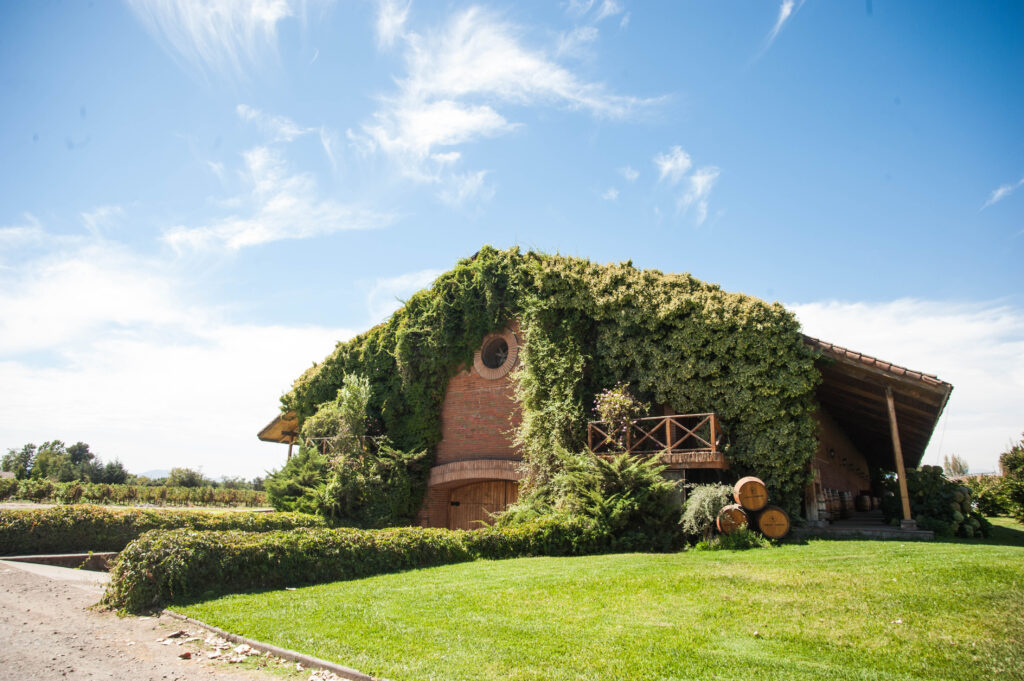
Since 1979, Miguel Torres Chile has set the standard in its namesake country for sustainable winegrowing as well as for a forward-thinking approach that has helped advance the industry. What makes this so remarkable is that the fifth-generation Spanish company behind the brand, Familia Torres, is over 150 years old, yet it’s firmly focused on the future even as it’s rooted in its illustrious past.
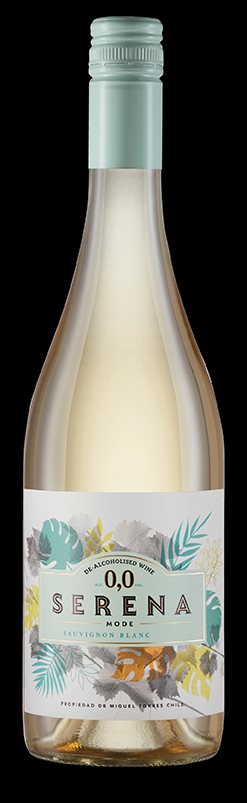
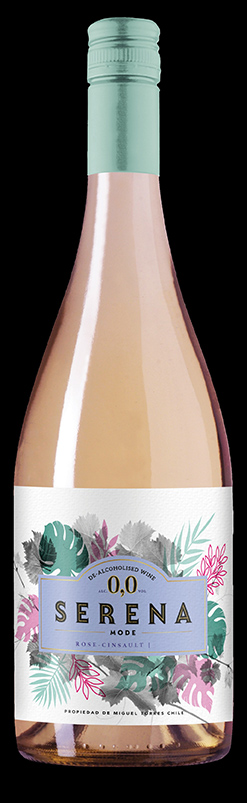
A key part of that future? Miguel Torres Chile’s newest Serena Mode 0.0 label, which is helping to prove that nonalcoholic wines deserve a place at the table. This is an important statement in a market in which more and more consumers are looking to drink mindfully. With a bright, expressive Sauvignon Blanc and a refreshing Rosé made from Cinsault, Serena Mode 0.0 aims to deliver a fully alcohol-free wine experience without compromising on quality, using the care and expertise honed over the family’s many decades in the industry.
“This category is a focus right now because consumer habits are evolving,” explains chief winemaker and technical director Eduardo Jordán, who was named “Winemaker of the Year” by acclaimed writer Tim Atkin, MW, in his 2024 Chile Report. “Many people are looking for ways to enjoy wine without the effects of alcohol—whether for health, lifestyle, or personal reasons. Our goal with Serena Mode 0.0 is to offer a product that lets consumers enjoy the pleasure and ritual of wine without the alcohol, [and] we are . . . continuing to research and develop new options to meet growing demand in this category.”
Whether nonalcoholic or traditional, the winery’s portfolio is driven by a commitment to sustainability. Owner Miguel Torres Maczassek and his team place immense weight on not simply being great stewards of the land—dry farming and regenerative viticulture are top priorities, and 100% of their estate vineyards are organic—but also on their social impacts. In the age of climate change, these efforts to help sustain both the land and its people are more critical than ever.
“It’s important to understand what sustainability means: managing environmental, social, and economic resources in a way that meets current needs without compromising the ability of future generations to meet theirs,” Jordán says. “In the context of viticulture, this involves thoughtful vineyard management, responsible water and energy use, and support for the local community. We are committed to certifications like Fair Trade, which help ensure that growers are paid fair prices, leading to improved quality of life and long-term partnerships. Fostering stability, trust, and shared success [are] values that are deeply aligned with how we approach winemaking.”
As they lead to healthier communities, these efforts also yield more expressive and resilient vineyards. “Sustainability has a direct impact on the wines,” Jordán continues. “By preserving and enhancing soil health, biodiversity, and ecosystem balance, sustainable practices help the vines better express their terroir—the full set of conditions including soil, climate, vine genetics, and human influence that make a wine unique to its place. The result is often wines with greater character, precision, and a clear sense of origin.” This is borne out across the entire portfolio: Miguel Torres Chile’s wines are consistently terroir-specific, detailed, and expressive, despite increasingly fickle weather patterns from vintage to vintage. Meanwhile, “sustainable vineyards are typically more resilient to the effects of climate change,” Jordán notes. “Practices such as soil regeneration, cover cropping, water conservation, and canopy management help vines adapt to weather extremes and shifting growing seasons.”
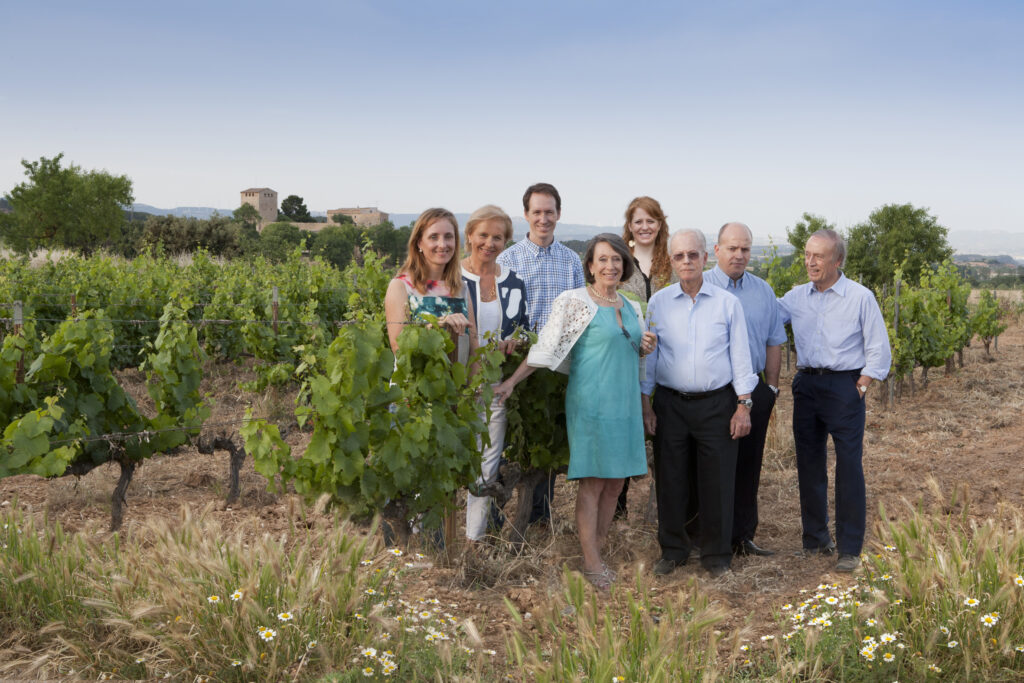
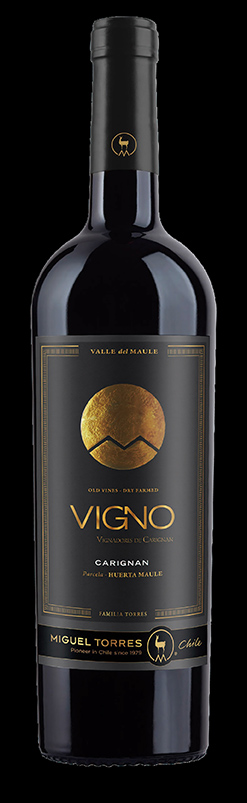
Relatedly, the Miguel Torres Chile team is committed to shining a spotlight on the viticultural heritage of Chile in deliciously profound ways. Of particular note is their work with VIGNO (Vignadores de Carignan), a multi-winery project that focuses on the great old-vine expressions of one of the country’s varietal calling cards. “VIGNO is important to the Torres team because it represents a rare and powerful example of true collaboration in the Chilean wine industry,” Jordán elaborates. “Created in 2011, the association was founded to go beyond a simple geographic designation—it set out to build a meaningful, quality-driven identity for old-vine Carignan from the Maule Valley.
“For us,” he adds, “it’s not just about producing wine from a specific place. It’s about preserving a heritage—Carignan in Maule expresses not only the soil and climate but also the traditions and way of life of the local communities. This sense of cultural and agricultural identity is something we deeply value at Miguel Torres Chile.”
This goes to the heart of Miguel Torres Chile, a company that cares immensely both for the ancient terroirs of Chile and for the generations to come. The balance it strikes is instantly recognizable in every bottle it produces.
Tasting Notes