After several thousand years of evolution, wine options seemed to stall out at red versus white, still versus sparkling, and dry versus sweet. But as new formats and categories proliferate—Boxes! Cans! Wine cocktails! Zero-alcohol wine!—that’s no longer the case. Among the producers recognizing this shift and innovating accordingly is Cupcake Vineyards, and its two latest launches might be the best examples yet.
Keeping convenience and lower-alcohol options in mind, Cupcake has been meeting younger consumers’ demands for a joyful and unpretentious drinking experience since its launch in 2008. And it’s not stopping now, as its new ready-to-serve Mimosas and Alcohol-Removed Sauvignon Blanc are sure to find some fans among millennials and Gen Z. After all, they “are the future of wine, and meeting them where they are, answering their needs, and delighting them is our priority,” says Helen Kurtz, chief marketing officer of Cupcake’s parent company, The Wine Group.
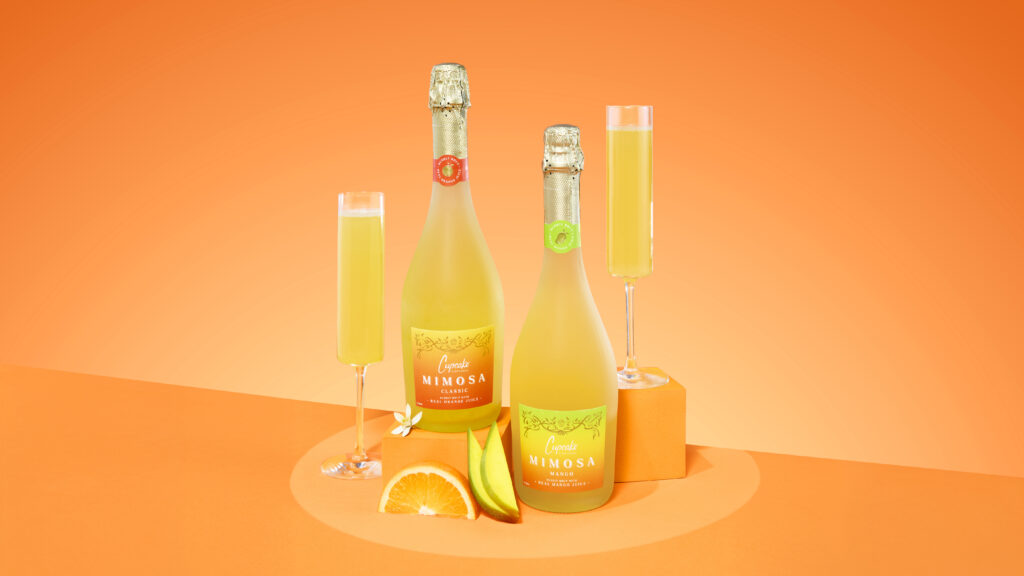
Recognizing that people aren’t just reaching for wine at dinner, Cupcake’s ready-to-serve Mimosas in Classic and Mango expressions are at-the-ready brunch heroes: Made with brut and real fruit juice, they’re fresh and vibrant, with a zesty finish. “The Classic orange is exactly that—a classic,” Kurtz says. “It is what you expect from a Mimosa, made with real juice from Spanish Valencia oranges. The Mango has more tropical notes from the freshly pressed mango juice. With these, we’re simplifying the lives of consumers and acting as their mixologists—all you need is a glass, and it’s ready to pour and enjoy.”
Meanwhile, among those moderating their intake at brunch and beyond (half of all drinking-age adults say they’re reducing their alcohol consumption, according to marketing data supplier NC Solutions), low- and no-alcohol wines are gaining popularity, particularly with younger consumers. “We see that playing out in retail, with nonalcoholic wines growing at 28% annually over the past five years. Across all alcohol categories, nonalcohol is an almost billion-dollar category. Consumers are voting with their wallets and we are listening,” Kurtz says.
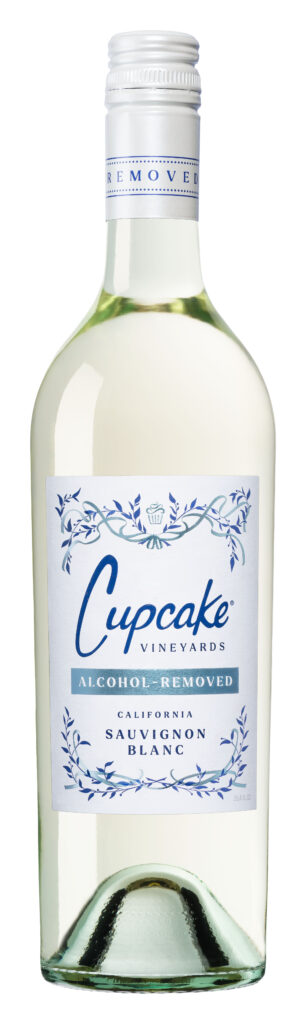
Cupcake Vineyards has already had success with its lower-ABV and lower-calorie line, Lighthearted, whose Pinot Grigio, Rosé, Pinot Noir, Chardonnay, and Sauvignon Blanc have just 80 calories per 5-ounce serving and ring in at 8% ABV. Now the brand is going all in on zero-proof with its new Alcohol-Removed Sauvignon Blanc (which contains less than 0.5% ABV).
It takes considerable effort to make an alcohol-free wine; in this case, Cupcake Vineyards winemaker Jessica Tomei starts with a traditional California Sauvignon Blanc that undergoes fermentation before state-of-the-art spinning-cone technology gently separates the alcohol from the juice, “preserving the essence, taste, and aromatics for a traditional wine experience without compromise,” in Kurtz’s words. “No consumer wants to sacrifice taste, and they shouldn’t have to. Our focus was on delivering a great-tasting, quality wine. We didn’t cut any corners.”
Tomei took the assignment and ran with it: Light and refreshing, with notes of ripe citrus, crisp green apple, and tropical fruit, the Alcohol-Removed Sauvignon Blanc has received a score of 90 points from The Tasting Panel.(Due to demand, Tomei is already exploring the brand’s next NA release, though details aren’t available just yet.) “We’re focused on overdelivering not only on the function with low-alcohol or no-alcohol but also on the taste,” Kurtz says. “With Alcohol-Removed Sauvignon Blanc, you still get the bright acidity and signature ripe-citrus notes of the wine, just without the buzz.”
And really, it’s about time. Those choosing to forgo alcohol for whatever reason should have something to sip that meets their high standards—and winemakers are finally fulfilling that growing niche. That’s a big part of what has made Cupcake Vineyards so successful: Whether it’s developing low- or no-alcohol options, more convenient packaging, or ready-to-pour beverages for brunch, the brand has readily recognized shifting consumer preferences and innovated accordingly. “We are always watching trends, talking with consumers, and looking for ways to meet them where they are,” Kurtz says. “Innovation is the name of the game in a declining category, and we are excited about the future for Cupcake Vineyards.”