
by Chanelle Wilson
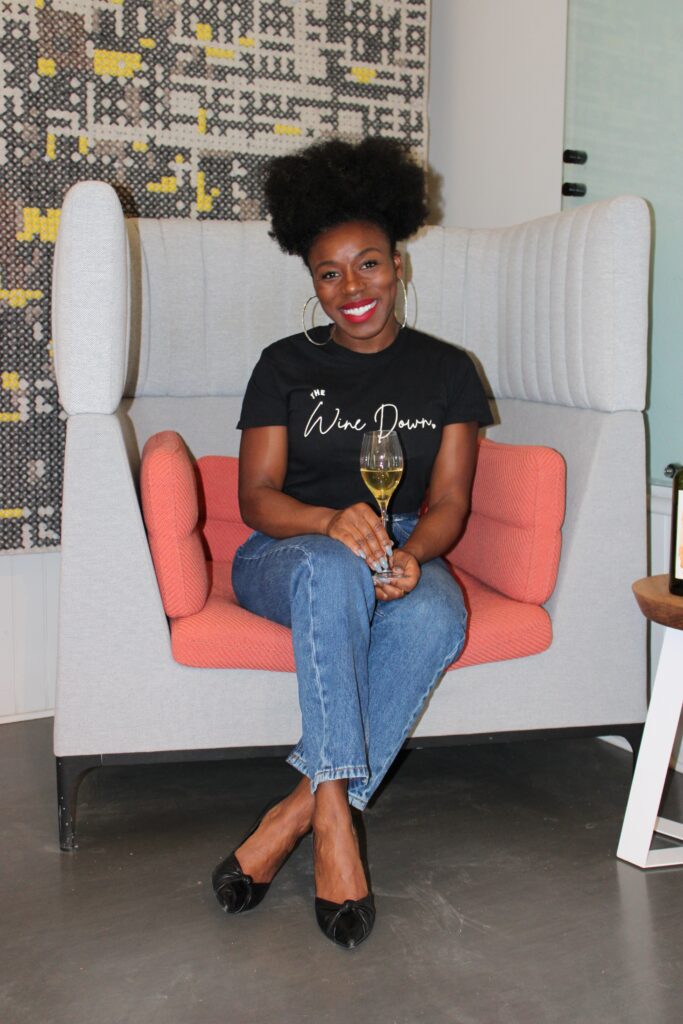
Editor’s note: At SommCon 2023, the Tasting Panel staff signed on to serve as mentors to industry talents on the rise; in First Person, our mentees take the opportunity to share their stories.
I was born and raised in Philadelphia, a city not known for its thriving wine scene; my exposure to wine came later in life, while I was living in South Africa to work as a J. William Fulbright English teaching assistant. What began as a social interest turned into a hobby and then into the wild idea that I could make an impact on the wine industry. I happened upon Wine Garden West in West Philly on a warm October night, right before it was closing for the season. I’d learned about it on Instagram, and I was excited to visit one of the first Black woman–owned wine spaces in the city. The friendliness of the staff, oasis-like ambiance, and primarily Black patronage had an influence on me; I was inspired. Later that week, I talked with my friend Efeosa Iyalekhue about my experience: why it resonated with me, what I loved, and what I’d change if I had my own wine bar. Efeosa, being a marketing consultant, said, “Well, why don’t you open a wine bar?” The rest is now history in the making. I’ve jumped feet first into the growing Philadelphia wine scene, and it has been life-changing.
I am Chanelle Wilson, founder of The Wine Down PHL. Our mission is to introduce busy professionals to Black- and woman-owned wine brands that they may not have time to seek out on their own, intentionally highlighting minoritized and marginalized winemakers to address gaps in the U.S. wine industry. It’s a multibillion-dollar industry, yet women make up less than 20% of its winemaking community, while Black vintners and negociants represent about 1%. The need to expand consumers’ consciousness about the creators of the wines they know and love is apparent. Hosting pop-up events around Philadelphia has shown me that there’s also a true need for spaces that move us closer to equity in the wine world. The Wine Down PHL operates under the guiding principles of knowledge, access, and inclusion: Its future wine bar will be the place for patrons to drink well and feel good, knowing every sip exposes them to the enjoyment of overlooked wine.
With a plethora of cultural experiences and numerous wine bars to enjoy, Philadelphia has a big-city feel, yet its close-knit wine community shows its small-town charm. As a relative newcomer to its wine scene, I can say that my foray into this space has been entirely heartening. I’ve been embraced and supported in ways that reinforce Philadelphia’s reputation as the city of brotherly love and sisterly affection.
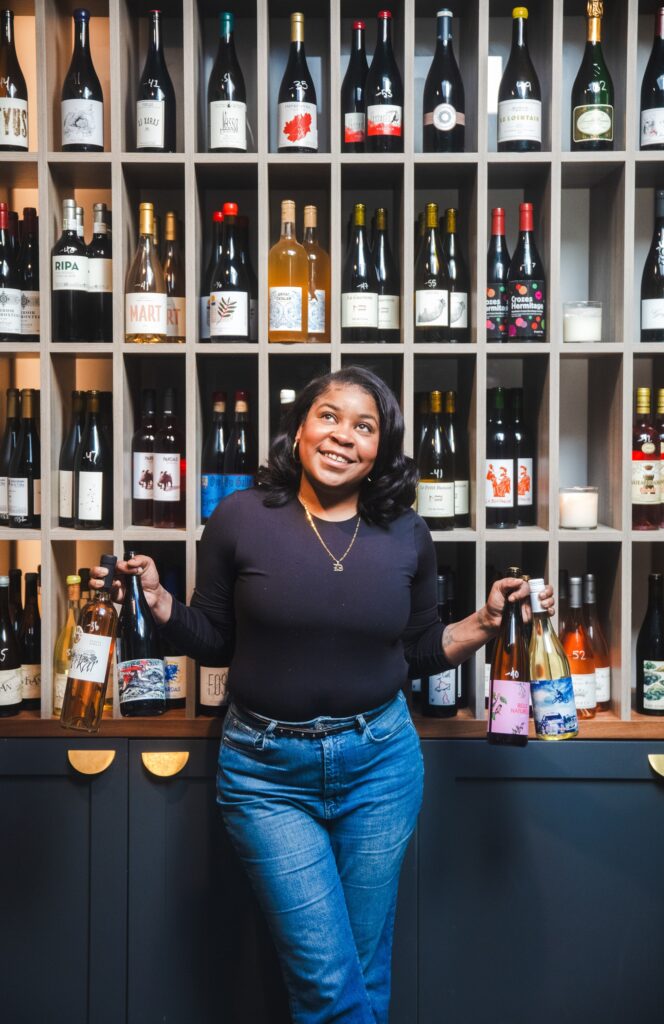
As beverage director and general manager at Bloomsday Café, D’Onna Stubblefield has created a unique wine program that has something for everyone. Reflecting on the future of wine in Philly as a place that’s becoming “more diverse, more informed, and full of new energy,” she embodies Bloomsday Café’s mission of sharing not only wine but also food, coffee, and knowledge. Core to what drives D’Onna is the goal of diversifying the industry: This includes increasing transparency around the subject of how to enter, navigate, and advance within the field and providing mentorship to people in marginalized groups whose connections in the wine world may not run as deep as those of others. I am among those fortunate enough to be inspired and awed by D’Onna’s energy and light. In her spare time, she regularly partners with industry friends and colleagues to host public pop-ups featuring deliciously distinctive and unexpected food and wine pairings.
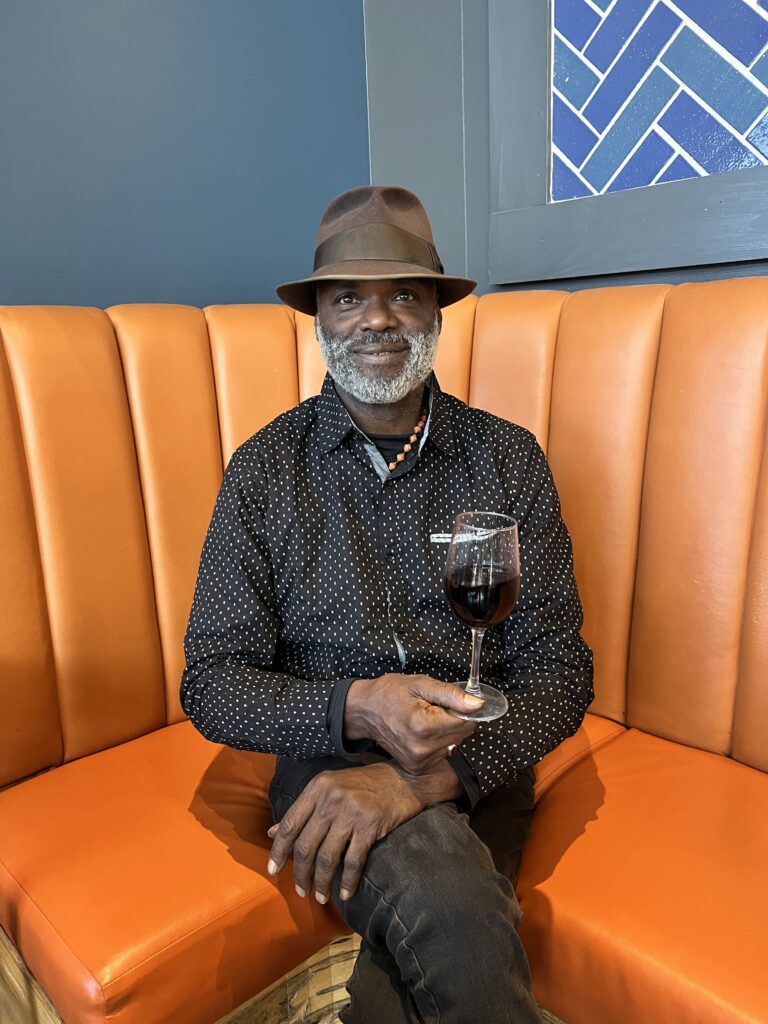
Frank Mitchell, vintner of the oldest Black-owned winery in Philadelphia, Mitchell & Mitchell Wines, was the featured winemaker for my very first pop-up, a tapas and tasting event. Frank, also a Philadelphia native, started making wine to pair with the food he served at dinner parties. He is committed to “uniting the world over a glass of wine,” in his words, and sees food, music, and wine as points of connection that can highlight our commonalities rather than our differences. Mitchell & Mitchell Wines sources grapes from countries such as Italy, Chile, and South Africa to vinify and sell right in Philadelphia. Frank is hands on, and you will often find him at farmers markets around the city and state, telling stories and sharing samples with soon-to-be repeat customers.
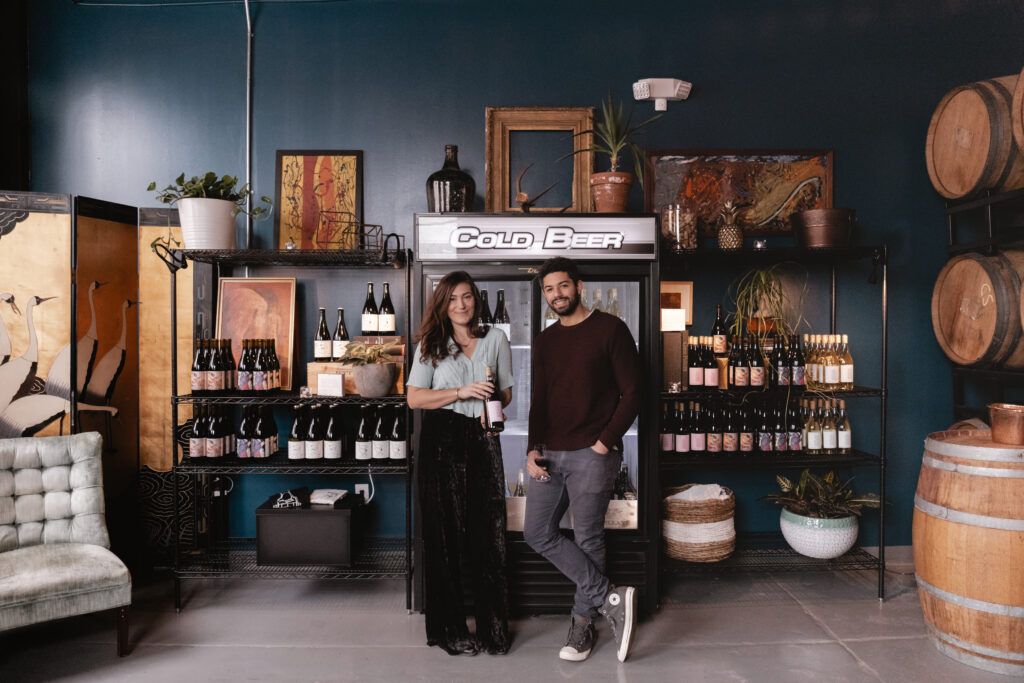
Partners Francesca Galarus and Nicholas Ducos are on an exciting journey as the owners of community-supported winery Mural City Cellars in Philly’s Fishtown neighborhood, where their goal is to make wine accessible and fun. They source all their grapes from within 300 miles of their urban winery, work with local artists to design their labels, and have donated over $15,000 to local initiatives. Having moved from a 1,200-square-foot space to a 3,000-square-foot facility on March 1, Nicholas and Francesca say they love the willingness and openness of the city’s residents: Francesca adds that “people will tell you what they want and what they don’t want.” The two look forward to playing an integral role as trendsetters and leaders in Philadelphia’s future wine scene—and they have shown me how to start small while dreaming big, with community in mind.
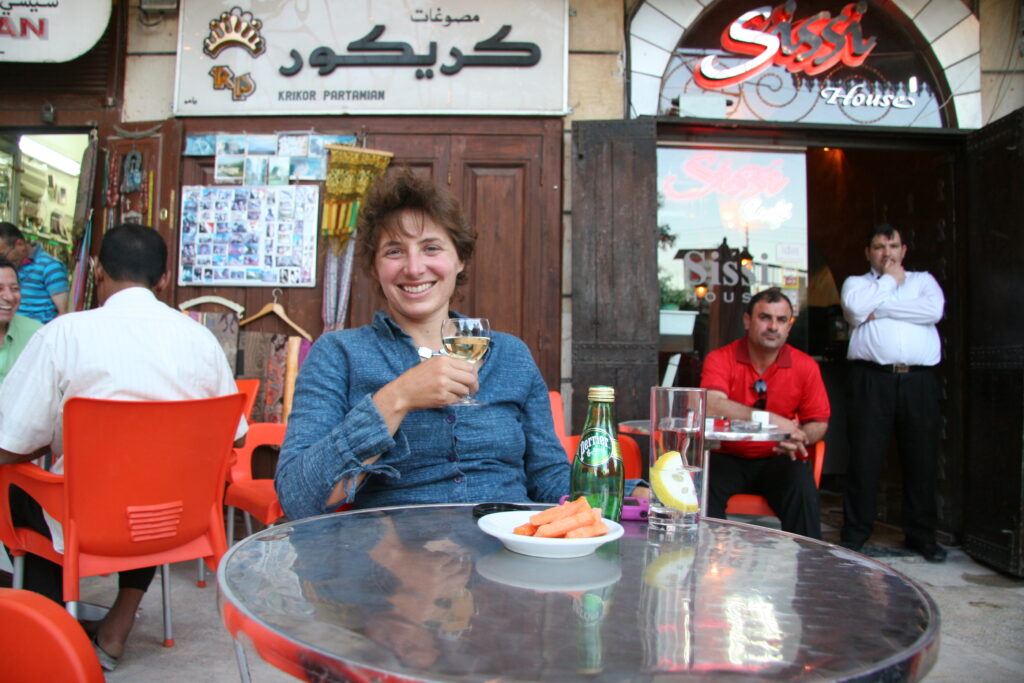
Jill Weber, an archaeologist and restaurateur, developed a love for wine’s flavors while drinking Lebanese and Syrian wine in a quaint square in Syria on Friday afternoons—which to many of her friends seemed a surprising pastime for the Middle East. Wanting to expand Philadelphians’ access to Ancient World and nontraditional wines, Jill opened Jet Wine Bar in 2010. She believes that “wine is as much intellectual as it is palatable,” and she loves connecting both history and the present to the contents of a wine glass; above all, she encourages patrons to think globally while drinking locally, exploring grape varieties beyond those popularized in the Western world without leaving home. Jet offers wine from over 20 countries, including Georgia, Lebanon, and Uruguay; it’s an ideal selection for the adventurous and curious wine lover. Meanwhile, Jill has laid a pathway for my own wine bar, proving that a niche can have longevity in an ever-changing market.
Philadelphia’s wine scene is expanding rapidly, and in my experience, it is doing so with heart. Key players are conscious of the importance of supporting this growing community while exposing patrons to new and different wines and increasing attention to equity and diversity in winemaking, wine education, and wine consumption. But most of all, the individuals I’ve interacted with are looking to have a great time with great wine and wonderful people. What more can I ask for?
